
Birdwatching in Capertee Valley: A Spring Guide to Slowing Down and Looking Up
You don't have to be a birdwatcher to go birdwatching.
We should probably start there.
You don't need binoculars worth more than your car, a notebook full of Latin names or the ability to identify something from a single feather at 200 metres.
You really only need to stop.
Listen.
And look up.
It turns out Capertee Valley is a particularly good place to do it.
Wildnest Farmstay sits within this extraordinary part of regional NSW, where bushland, open farmland and escarpments create habitat for a remarkable variety of birdlife.
And spring is a lovely time to pay attention.
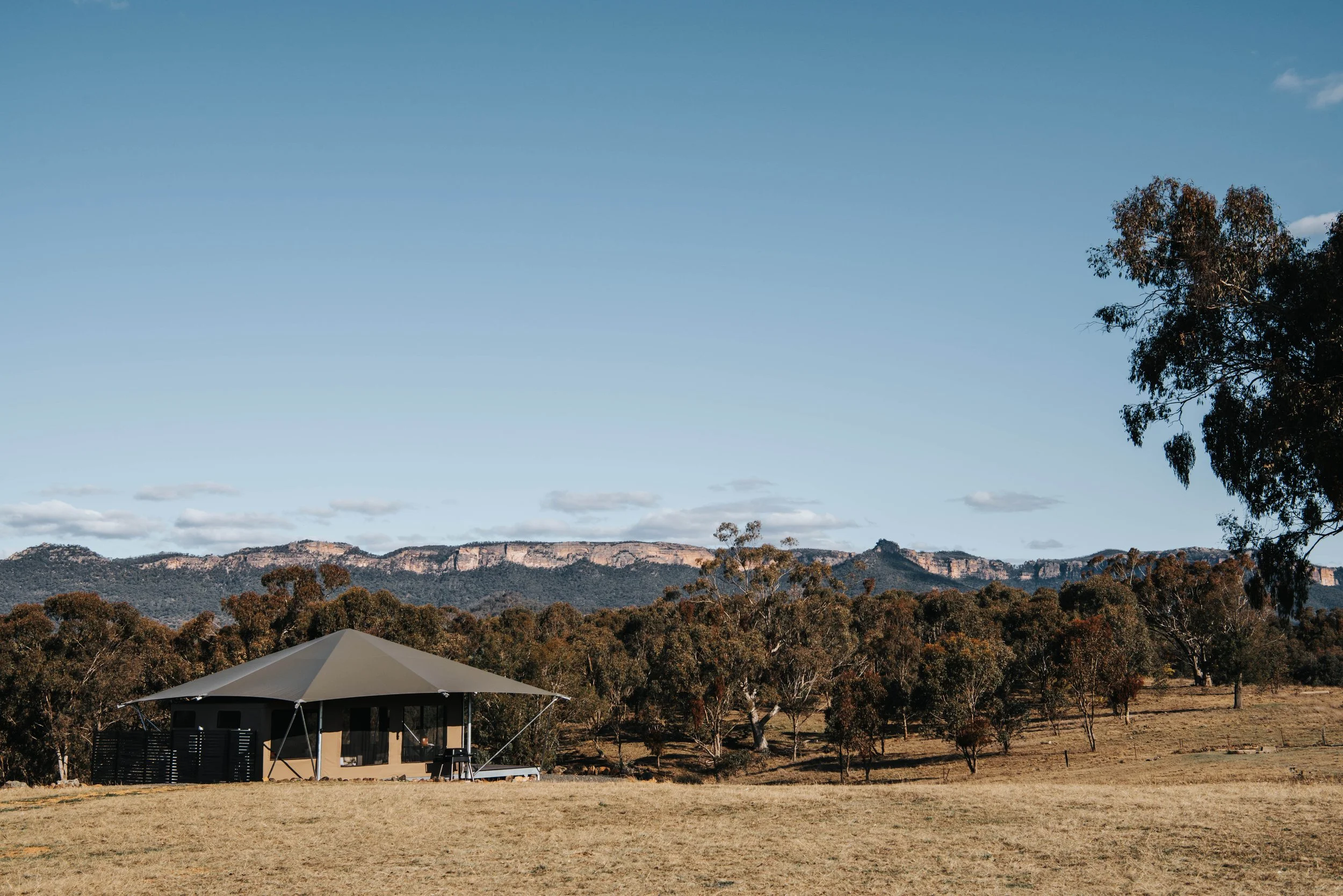
Why is Capertee Valley so good for birdwatching?
Capertee Valley has long been recognised as an important bird habitat.
Nearby Capertee National Park is described by NSW National Parks as having some of the best birdwatching in NSW and is one of only three known nesting areas for the critically endangered Regent Honeyeater.
That makes this much more than a pretty place where you might happen to see a few birds.
It is an important landscape.
The mix of woodland, river habitat, open country and surrounding escarpment supports an extraordinary diversity of birdlife and makes the wider valley an appealing destination for experienced birders and complete beginners alike.
For us, though, the nicest thing about birdwatching here is that it doesn't necessarily need to become an activity.
Sometimes it simply happens.
You are sitting outside with coffee and realise the morning is remarkably noisy.
You hear something unfamiliar.
A flash of colour moves through a tree.
Something circles overhead.
And suddenly you are paying attention.
The pleasure of noticing things
There is a particular kind of holiday where you come home needing a holiday.
Every day has been planned.
Breakfast booked.
Activity booked.
Lunch booked.
Another activity.
Dinner.
Alarm set so you can do it all again tomorrow.
Wildnest has never really been about that.
Our original idea was much simpler: create places where people could experience the peace and solitude of the natural environment, spend quality time together and explore at their own pace.
Birdwatching fits rather beautifully into that philosophy.
It makes you slower.
You can't hurry a bird into appearing.
You can't schedule it for 10.15am between breakfast and lunch.
You just have to be there.
And perhaps that's why something as simple as looking for birds feels unexpectedly restorative.
For a while, your attention is on something that isn't a screen, a deadline or a list.
It's on a tree.

What birds can you see in Capertee Valley?
Capertee Valley is particularly significant because of the diversity of birds supported by its woodland habitats.
The Regent Honeyeater is the famous one — and also the one that needs to be spoken about carefully.
It is critically endangered. Capertee National Park is one of only three known nesting areas for the species, which makes its presence here incredibly special, but seeing one should never be expected or treated as guaranteed.
There are, however, many other birds to look and listen for across the wider valley.
And that is part of the fun.
Rather than arriving with a checklist that determines whether the morning was successful, start with what is around you.
Birdwatching for people who aren't birdwatchers
If this is your first attempt, keep it simple.
Start early.
Bird activity is often wonderful in the morning, which is convenient because early mornings at Wildnest Farmstay are pretty good anyway.
Make a coffee.
Sit outside.
Don't immediately pick up your phone.
Listen first.
Sound will often tell you where to look.
Then watch the trees, fence lines and open spaces around you.
We have binoculars in the tents to help you spot them.
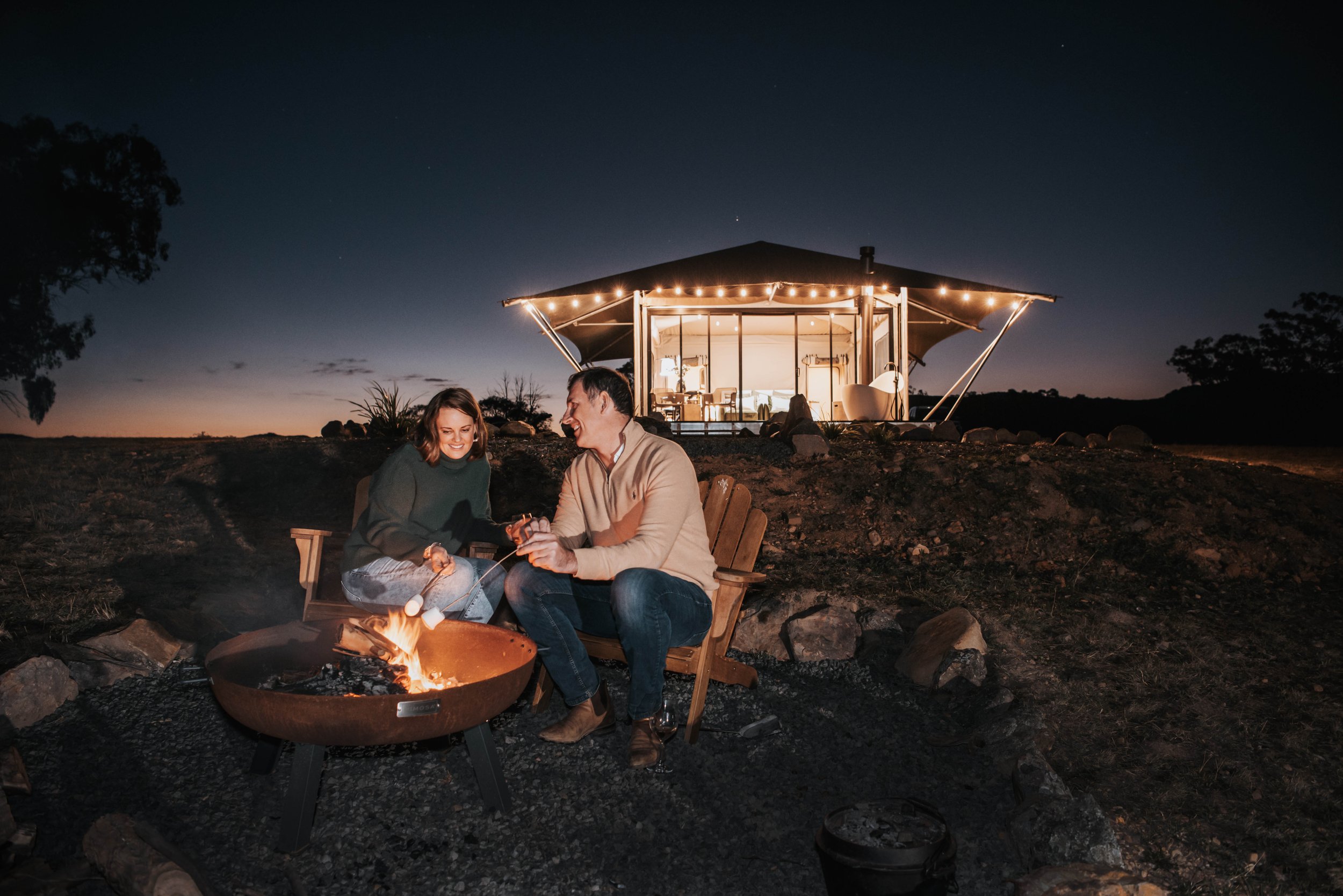
Why spring is a lovely time to visit Capertee Valley
Spring seems to arrive with a bit more noise in the country.
The days lengthen.
The landscape changes.
Wildlife activity becomes more noticeable.
And mornings invite you outside rather than encouraging you to stay under the doona indefinitely.
Although, to be fair, we support both.
At Wildnest, winter always seems to disappear a little faster than we'd like. We love the fires, cold nights and excuse to settle in.
Fortunately, spring in Capertee Valley doesn't mean abandoning all of that immediately.
Nights can still be cool enough for a fire, while the warmer days make walking, exploring and simply sitting outside particularly lovely.
It is the best of both worlds.
Make Wildnest Farmstay your Capertee Valley base
Wildnest Farmstay is our adults-only property in Capertee Valley.
There are two safari-style glamping tents — Honeyeater and Kookaburra — each designed for two guests.
Yes, we named the tents after birds.
Perhaps we were always destined to write this Journal.
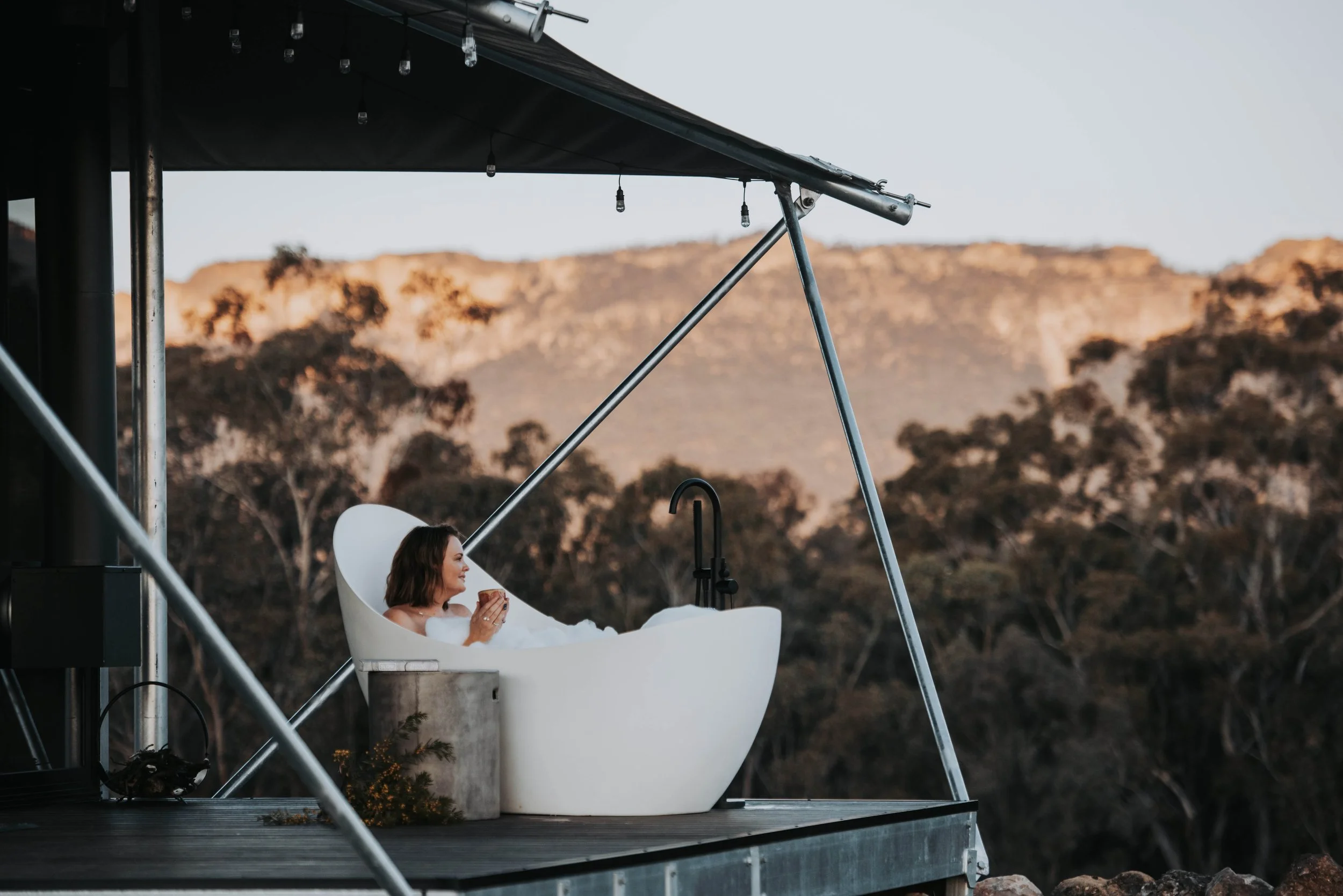
Each has a king bed, private bathroom, kitchen, slow combustion fire and outdoor bath, with views across the valley and surrounding escarpments.
The idea is not to keep you inside the tent. It is to give you somewhere lovely to return to after being outside.
Spend the morning exploring.
Come back for lunch.
Read.
Nap.
Have a bath.
Pour something.
Watch the valley change as the sun drops.
Then do it again tomorrow.
Exploring beyond Wildnest
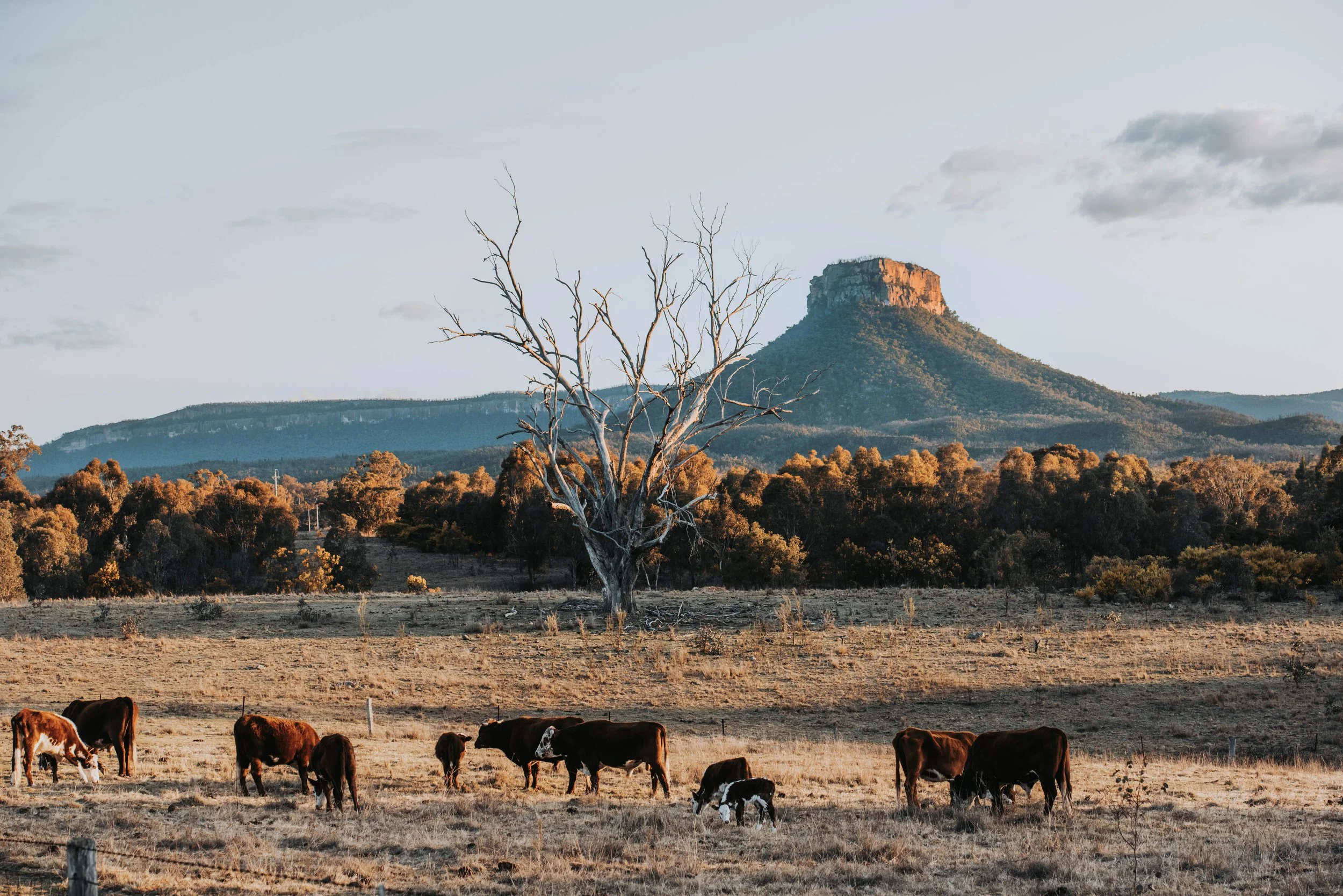
If you want to make birdwatching a bigger part of your stay, the surrounding Capertee region gives you plenty of reason to venture out.
Capertee National Park is an obvious starting point for guests interested in birdlife and the natural landscape. The park offers birdwatching and wildlife encounters, sightseeing and 4WD touring.
As with any natural area, check current access and conditions before leaving Wildnest. And please remember that this is habitat, not an attraction built for us.
Observe wildlife from a respectful distance.
Stay on appropriate tracks.
Don't disturb nesting birds.
Take your rubbish with you.
And leave the place as you found it.
At Wildnest, our connection to nature comes with a responsibility to tread lightly within it. Sustainability and deeper connection with the natural world have been part of the Wildnest philosophy from the beginning.
Ready to slow down for a few days? Check availability at Wildnest Farmstay and book your Capertee Valley escape directly with us.
Frequently asked questions
-
Yes. The Capertee Valley region is recognised for its bird diversity, and nearby Capertee National Park is described by NSW National Parks as having some of the best birdwatching in NSW. It is also one of three known nesting areas for the critically endangered Regent Honeyeater.
-
Capertee National Park is an important known nesting area for the critically endangered Regent Honeyeater. Sightings are never guaranteed, and visitors should observe all wildlife respectfully without disturbing birds or habitat.
-
Wildnest Farmstay offers adults-only safari-style glamping in Capertee Valley, providing a nature-based base for guests interested in birdwatching, wildlife, walking and slower regional escapes.
-
Birdlife can be enjoyed throughout the year, while spring offers longer days and a lovely opportunity to spend more time outdoors. Early mornings are particularly suited to sitting quietly and listening for bird activity
-
No. Wildnest Farmstay is adults-only. Families can instead consider TinyNest at Wildnest Wilderness near Bathurst, which sleeps up to four guests.
-
Not at all. Capertee Valley can be enjoyed by complete beginners. Binoculars and a field guide can help, but simply sitting quietly, listening and observing the surrounding bushland is a great place to start.